
Symptoms of Asthma
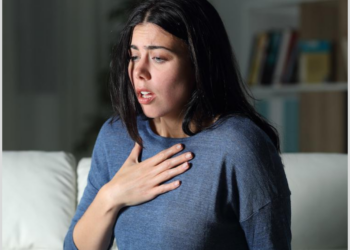
Asthma symptoms can vary from person to person and can range from mild to severe. Common signs and symptoms include:
Shortness of breath
Feeling like you can't get enough air.
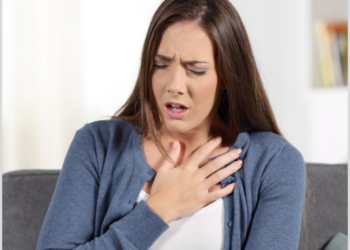
Chest tightness or pain
A sensation of pressure or squeezing in the chest.

Wheezing
A whistling sound when you breathe out, especially common in children.
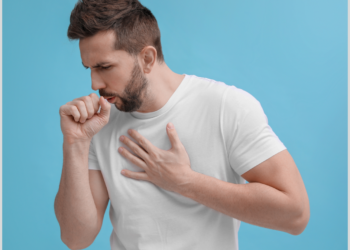
Coughing
Often dry and persistent, especially at night or in the early morning, or worsened by a respiratory virus.
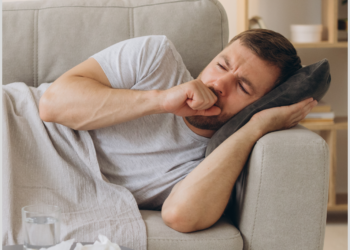
Trouble sleeping
Due to shortness of breath, coughing, or wheezing.
Cardiomyopathy
Medicenter offers comprehensive dental care for both adults.
Diagnosis of Asthma
Diagnosing asthma involves a combination of your medical history, physical examination, and lung function tests.
Medical History and Physical Exam
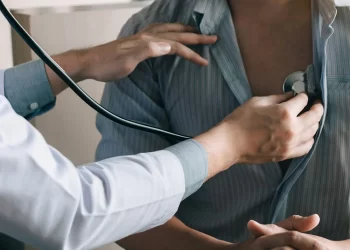
Your doctor will ask about your symptoms, family history of asthma or allergies, and potential triggers. They will listen to your breathing and check for signs of allergies.
Lung Function Tests
These tests measure how well your lungs are working and are crucial for diagnosing asthma in people 5 years and older.
Spirometry
This is the main test. You take a deep breath and forcefully exhale into a device called a spirometer. It measures how much air you exhale (Forced Vital Capacity - FVC) and how quickly you exhale (Forced Expiratory Volume in 1 second - FEV1). Asthma typically shows reduced FEV1 and FEV1/FVC ratio.
Bronchodilator Responsiveness Test:
Spirometry is performed before and after inhaling a short-acting bronchodilator medication. A significant improvement in lung function after the bronchodilator suggests reversible airway obstruction, a hallmark of asthma.
Peak Expiratory Flow (PEF) Test
Measures how fast you can blow air out. A handheld peak flow meter can be used at home to monitor lung function over time.
Challenge Tests (Bronchial Provocation Tests)
If initial tests are inconclusive, your doctor may perform these tests, where you inhale a substance (like methacholine) that can trigger airway narrowing in asthmatic individuals. Lung function is monitored before and after.
Lung Function Tests
These tests measure how well your lungs are working and are crucial for diagnosing asthma in people 5 years and older.
This is the main test. You take a deep breath and forcefully exhale into a device called a spirometer. It measures how much air you exhale (Forced Vital Capacity - FVC) and how quickly you exhale (Forced Expiratory Volume in 1 second - FEV1). Asthma typically shows reduced FEV1 and FEV1/FVC ratio.
Spirometry is performed before and after inhaling a short-acting bronchodilator medication. A significant improvement in lung function after the bronchodilator suggests reversible airway obstruction, a hallmark of asthma.
Measures how fast you can blow air out. A handheld peak flow meter can be used at home to monitor lung function over time.
If initial tests are inconclusive, your doctor may perform these tests, where you inhale a substance (like methacholine) that can trigger airway narrowing in asthmatic individuals. Lung function is monitored before and after.
Other Tests (as needed)
Lorem ipsum dolor sit amet, consectetur adipiscing elit. Curabitur suscipit dolor vulputate odio gravida, non eleifend quam fringilla.
Skin prick tests or blood tests can identify specific allergens that trigger your asthma.
Measures the amount of nitric oxide in your breath. High levels can indicate airway inflammation.
To rule out other conditions that may cause similar symptoms.